



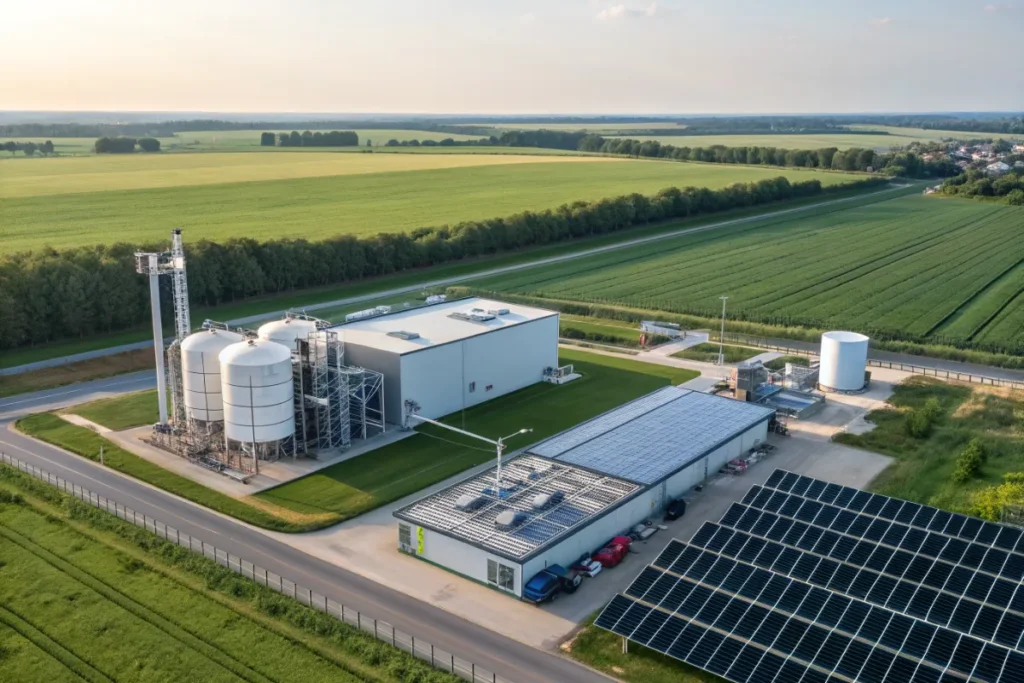
The hydrogen value chain is the full sequence of processes that produce, store, transport, distribute, and use hydrogen as an energy carrier.
Engineers created the hydrogen value chain to move energy from primary sources into flexible fuel applications. Electricity, natural gas, or biomass feed production systems such as electrolysis or reforming. Storage and transport then preserve hydrogen’s energy content until final consumption in industry, mobility, or power generation.
The value chain becomes critical when decarbonization targets require alternatives to fossil fuels. Heavy industry, long haul transport, and seasonal energy storage rely on hydrogen to bridge gaps that direct electrification cannot cover. Each step introduces efficiency losses, cost drivers, and infrastructure constraints.
Technical Drivers Across the Value Chain
Several engineering factors shape hydrogen performance and economics.
- Energy source availability and cost
- Electrolyzer or reformer efficiency
- Compression and liquefaction energy demand
- Storage material and pressure rating
- Transport distance and infrastructure type
- End use conversion efficiency
Main Stages of Hydrogen Infrastructure
Hydrogen Production
Electrolysis splits water into hydrogen and oxygen using electricity. Steam methane reforming extracts hydrogen from natural gas. Emerging methods include biomass gasification and methane pyrolysis.
Hydrogen Processing and Conditioning
Operators compress, liquefy, or convert hydrogen into carriers such as ammonia or LOHCs. These steps improve transport and storage density.
Hydrogen Storage
Storage systems include high pressure tanks, cryogenic vessels, underground caverns, and solid state materials. Each option balances safety, cost, and capacity.
Hydrogen Transport and Distribution
Pipelines, trucks, ships, and carrier fuels move hydrogen to demand centers. Infrastructure design drives major capital investment.
Hydrogen Utilization
Industries use hydrogen in steelmaking, refining, chemical production, power generation, and fuel cell mobility.
Why the Hydrogen Value Chain Creates Engineering Challenges
The hydrogen molecule has low volumetric energy density and high diffusivity. These properties increase compression needs, leakage risk, and material stress. Each stage adds energy losses that reduce overall system efficiency.
Engineers also face high capital cost, limited infrastructure, and evolving safety standards. Integration with renewable power requires flexible operation and advanced control strategies.
Scaling the Hydrogen Value Chain Effectively
Professionals improve performance by optimizing each stage together rather than in isolation. They pair low cost renewable electricity with high efficiency electrolyzers and strategic storage locations.
Key improvement strategies include
- Co locating production with renewable generation
- Using pipeline corridors and industrial clusters
- Deploying hybrid storage solutions
- Advancing electrolyzer efficiency and durability
- Integrating digital monitoring and control
By treating the hydrogen value chain as a connected energy system, professionals unlock lower cost, higher reliability, and faster decarbonization impact.