




Modern cars feel advanced, but engine oil still does the most important job. It lubricates moving parts, reduces heat, and prevents wear. If oil runs too low, the engine can seize and fail completely. Electric vehicles do not use lubricating oil, but any gasoline or diesel car depends on it every time you drive. This is why it is important to know How to Check Oil Level in Car!
What You Need Before You Start
Before checking your oil, set up the right conditions to get an accurate reading.
- A clean rag or paper towels
- A funnel if you plan to add oil
- Your car parked on level ground
Turn the engine off and let it cool. This prevents burns and allows oil to settle in the oil pan. Some manufacturers recommend checking oil while warm, so always confirm with your owner manual. Most guidance from experts like Jiffy Lube and Car and Driver supports consistency. Use the same condition each time you check.
How to Check Your Oil Manually in 5 Steps
Follow these steps carefully. They are simple but critical.
1. Locate the Dipstick
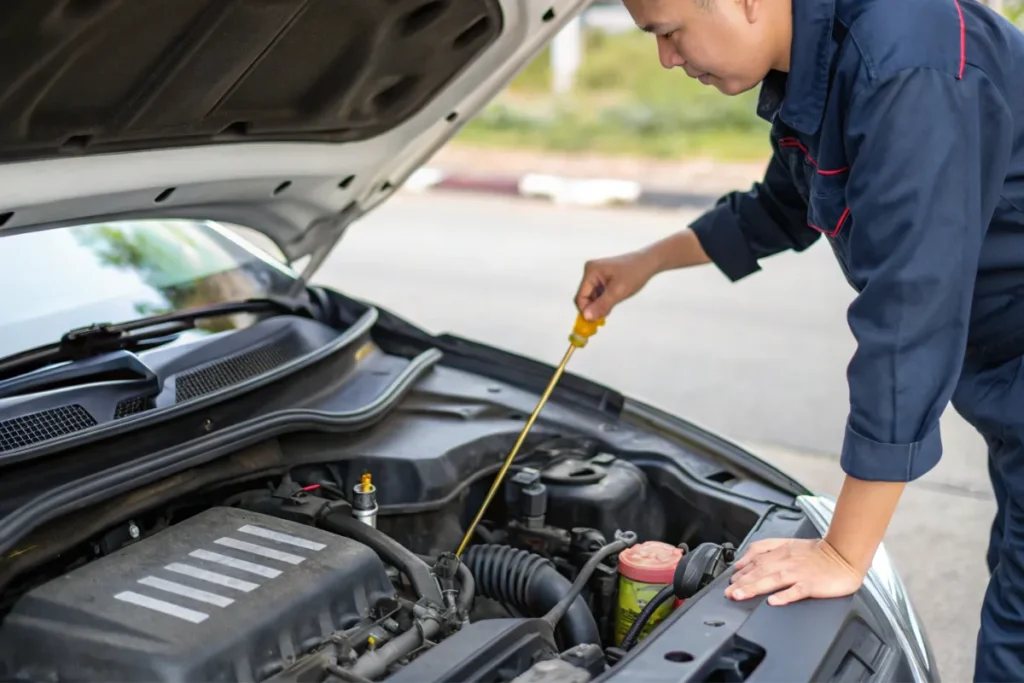
Open the hood and find the dipstick. It is a thin metal rod with a handle, usually yellow or orange. Many have an oil can icon.
2. Pull and Clean
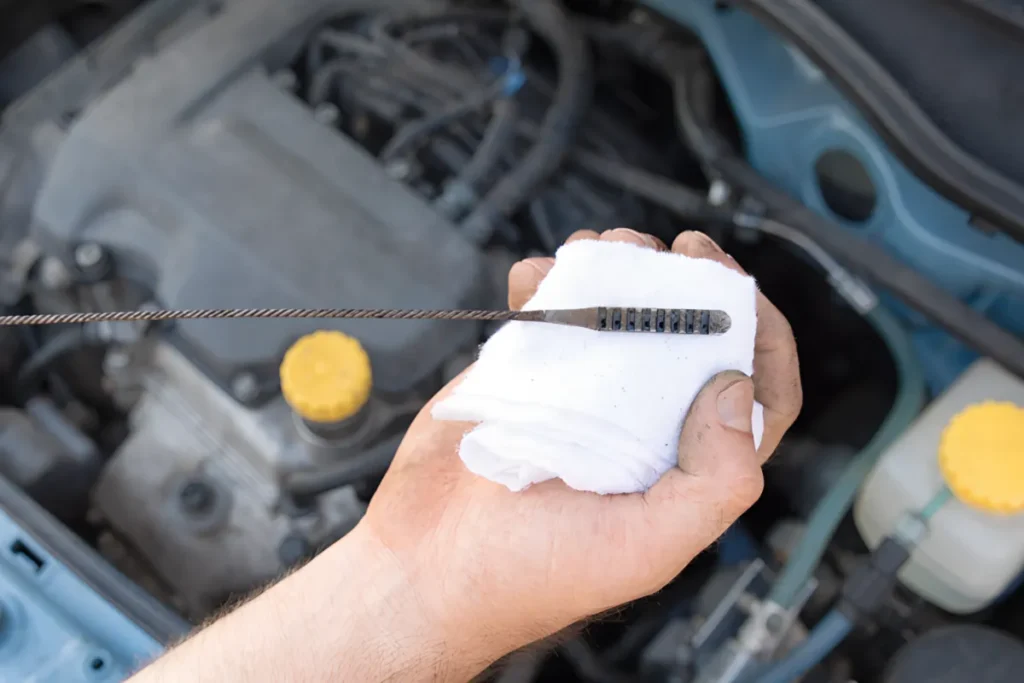
Pull the dipstick out fully. Wipe it clean using your rag. This removes oil splatter so you can read it accurately.
3. Re insert and Pull
Insert the dipstick back completely. Push it all the way in, like sheathing a sword. Then pull it out slowly.
4. Read the Level
Look at the end of the dipstick. You will see indicators such as:
- MIN and MAX marks
- L and H labels
- Pinholes or crosshatched areas
5. Analyze
Check where the oil streak sits.
- Between marks means the level is safe
- Near or below the bottom mark means you need to add oil
Modern Vehicles: Digital Monitoring Systems
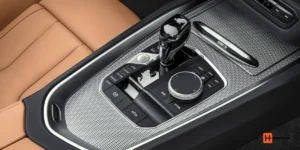
Many newer cars replace the dipstick with digital systems. You check oil through the dashboard or center screen.
These systems use sensors to estimate oil level and condition. Some vehicles no longer provide a manual dipstick at all. Always follow the on screen instructions carefully, as the process may require the engine to be warm and the car stationary.
How to Top Off Your Engine Oil
If your oil level is low, add oil carefully.
Use the correct grade specified by your manufacturer, such as 0W-20 or 5W-30. Using the wrong oil can reduce performance and increase wear.
Follow this method:
- Remove the oil filler cap on top of the engine
- Insert a funnel
- Add oil slowly, about half a quart at a time (around 16 oz)
- Wait one minute for the oil to settle
- Recheck using the dipstick
Avoid overfilling. Too much oil can create pressure issues and damage seals or internal components.
Frequency: How Often Should You Check?
How to check oil level in car is important but how often is crucial. Check your oil regularly to avoid surprises.
- Ideally, check after every fuel fill up
- For a new to you car, check once a week for the first month
- Monitor trends in oil consumption
Cars with high mileage need extra attention. Around 100000 miles, engines often burn more oil due to internal wear. Regular checks help you detect issues early and prevent costly repairs.
Conclusion and Professional Maintenance
Checking oil takes only a few minutes, but it protects your engine for years. If the oil appears very dark, gritty, or smells burnt, schedule an oil change service.
If you prefer not to do it yourself, a technician can handle it and inspect other fluids at the same time. Many service centers also offer free top offs between visits, which helps maintain proper oil levels.
Staying consistent with oil checks is one of the simplest and most effective ways to prevent engine damage.