



This article explains what curtailment means in renewable energy systems and why grid operators use it. You will learn what causes curtailment, how it impacts projects, and how engineers reduce its effects.
Curtailment in Renewable Energy?
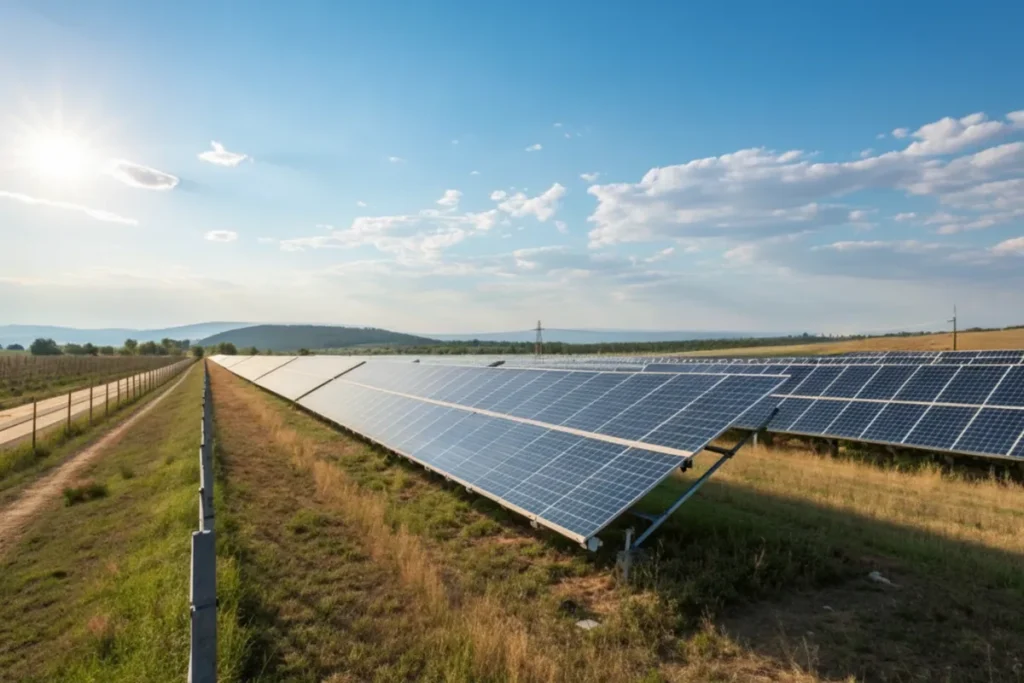
Curtailment is the intentional reduction of renewable power output despite available energy resources.
It exists because power systems must maintain balance between generation and demand at all times. When renewable output exceeds grid capacity or system flexibility, operators limit generation to protect voltage, frequency, and equipment limits. This action preserves grid stability but reduces usable clean energy.
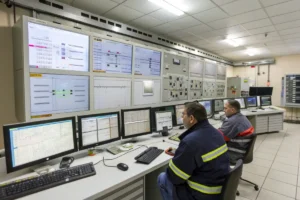
Curtailment occurs during periods of high renewable production and low demand. It also appears when transmission constraints or congestion restrict power flow. Engineers treat curtailment as a system level control tool, not a technical failure of the plant.
Technical Causes and Factors of Curtailment in Renewable energy
Curtailment results from several technical drivers.
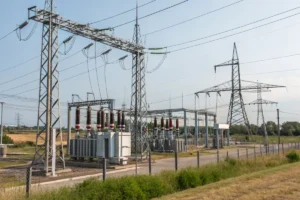
- Transmission congestion and limited export capacity
- Oversupply of renewable generation
- Insufficient energy storage or flexible demand
- Voltage or frequency stability constraints
- Maintenance or network outages
- Market price signals and dispatch rules
Curtailment Types
Economic Curtailment
Market conditions trigger output reduction. Low or negative electricity prices make generation uneconomic during oversupply periods.
Network Curtailment
Grid congestion or limited transmission capacity forces operators to restrict power flow from renewable plants.
Stability Curtailment
System operators reduce output to maintain voltage or frequency stability in weak grids.
Maintenance Curtailment
Planned outages on transmission or substations temporarily block power export.
Clipping vs Curtailment: What is the Difference?
Solar clipping and curtailment both limit power output, but they originate from different parts of the system.
Clipping occurs inside the power plant. The inverter or equipment reaches its maximum capacity and caps output even though more DC power is available. Designers often allow clipping as a calculated tradeoff to reduce capital cost and improve annual energy yield.
Curtailment occurs at the grid or control level. Grid operators or plant controllers intentionally reduce output due to network limits, stability concerns, or market conditions. The plant has available capacity, but the system restricts export.
In short, clipping results from equipment limits, while curtailment results from grid or operational limits. Both affect energy yield, but engineers manage them through different design and control strategies.
Problem Context of Curtailment in Renewable Energy
Curtailment reduces energy yield and project revenue. High curtailment levels undermine financial models and investor confidence. Developers may also face contractual penalties if plants fail to deliver expected output.
Engineers must design projects that anticipate grid limitations. Grid operators must manage increasing renewable penetration without compromising reliability. Poor curtailment planning slows renewable expansion.
Solutions and Professional Best Practices
Professionals reduce curtailment through smarter system design and operational flexibility. They integrate storage, advanced controls, and grid reinforcement strategies.
- Effective mitigation approaches include
- Adding battery energy storage systems
- Strengthening transmission networks
- Implementing dynamic export limits
- Coordinating generation with demand response
- Using forecasting and real time grid optimization
By shifting from static grid planning to flexible energy management, professionals unlock higher renewable utilization. This transition supports reliable grids and maximized clean energy output.