


The Independent Power Producer develop, finance, own, and operate power plants that sell electricity to utilities or markets. This article explains how IPPs work, why they matter, and how professionals manage their technical and commercial risks.
What is an Independent Power Producer (IPP)?
An Independent Power Producer is a privately owned entity that generates electricity and sells it to utilities, grid operators, or end users under contractual or market based arrangements.
IPPs arose to attract private capital into power generation. Governments opened electricity markets to improve capacity growth and reduce public investment burdens. Long term power purchase agreements often secure revenue and enable project financing.
IPPs operate across fossil, renewable, and hybrid systems. Engineers design plants to meet grid codes, reliability standards, and performance guarantees. Financial models depend on energy yield, availability, and curtailment risk.
Forces Shaping Private Power Generation
- Power demand growth outpacing public infrastructure budgets
- Market liberalization and unbundling of utilities
- Bankable long term PPAs with utilities or corporates
- Falling renewable technology costs
- Grid interconnection standards enabling private generation
- Carbon policies pushing clean energy investment
Categories of Independent Power Producer
Renewable Energy IPPs
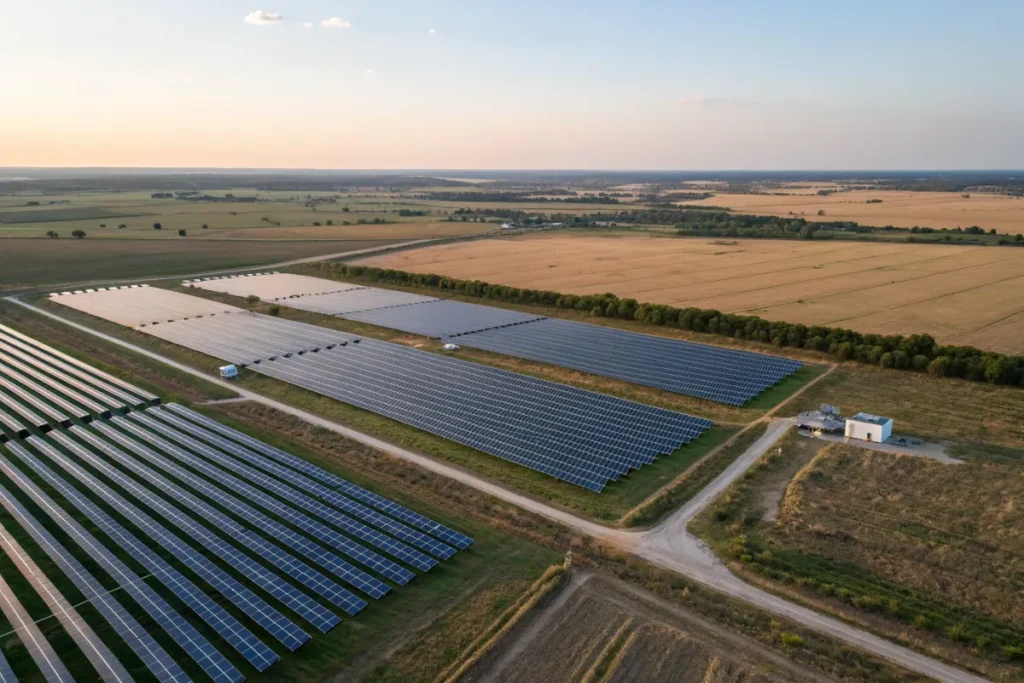
Solar, wind, hydro, and biomass plants selling clean power under fixed tariffs or auctions.
Thermal IPPs
Gas, coal, or diesel generation providing baseload or peaking capacity.
Hybrid and Storage IPPs
Projects combining renewables with batteries to improve dispatchability and grid stability.
Merchant IPPs
Generators selling power directly into wholesale markets without fixed contracts.
IPP Project Pain Points
IPP professionals face grid congestion, curtailment, and evolving interconnection rules. Energy yield uncertainty directly impacts revenue.
Financing remains sensitive to policy stability and utility creditworthiness. Technical underperformance can trigger penalties under PPAs.
Grid codes tighten each year. Compliance requires advanced modeling, protection studies, and dynamic simulations.
Optimizing Independent Power Producer Performance
Developers must integrate grid studies early. Interconnection modeling reduces congestion surprises. Energy forecasting improves revenue certainty.
Hybridization with storage limits curtailment and improves dispatch value. Digital monitoring boosts availability and fault response.
Bankable contracts should address force majeure, grid outages, and tariff adjustments.
Advanced simulation tools now allow engineers to validate performance across solar, wind, BESS, and transmission impacts before construction.